

Selling an estate property is one of the most common responsibilities faced by executors, trustees, and family members after a loved one passes. In Westlake, Rocky River, Bay Village, and throughout Northeast Ohio, estate properties range from modest family homes to high-value estates with significant personal property, collections, and assets.
Whether you're an executor navigating probate for the first time or a family member trying to honor a loved one's wishes, understanding the process helps you make informed decisions and avoid costly delays.
Understanding Probate in Ohio
In Ohio, most estate properties go through probate, which is the court-supervised process of settling a deceased person's estate. If the deceased had a will (testate), the will names an executor who manages the process. If there was no will (intestate), the court appoints an administrator.
For real estate specifically, the executor typically needs court authority to sell the property. This means filing the appropriate motions with the Cuyahoga County Probate Court (or the relevant county court in Medina, Lorain, or Summit County) and receiving approval before the sale can proceed.
The timeline varies. Simple estates with clear wills and cooperative beneficiaries can sometimes close in three to six months. More complex situations, particularly those involving contested wills, multiple heirs, or significant assets, may take longer.
When Should the Executor Engage a Real Estate Professional?
As early as possible. One of the most common mistakes in estate property sales is waiting too long to bring in professional help. An experienced agent can assess the property's condition, identify any issues that need attention before listing, and develop a pricing strategy based on current market data.
For $1M+ estate properties in communities like Westlake, Gates Mills, or Pepper Pike, the pricing strategy matters even more. These properties often have unique features, custom finishes, and lot characteristics that require a nuanced approach. A standard automated valuation won't capture the full picture.
My article on how to price a luxury home in Northeast Ohio goes deeper on this topic.

Traditional Listing vs. Auction for Estate Properties
Executors generally have two paths for selling the real estate: a traditional listing or an auction. Each has advantages depending on the estate's circumstances.
A traditional listing gives you maximum exposure through the MLS and standard marketing channels. This approach works well when the estate has time, when the property is in good condition, and when there are clear comparable sales to support pricing.
Auction offers several advantages that are particularly relevant to estate sales. First, it provides a defined end date. When an executor is managing multiple responsibilities and beneficiaries are waiting for resolution, knowing exactly when the property will sell is valuable. Second, competitive bidding can drive strong results, especially for desirable properties in high-demand areas. Third, the concentrated marketing campaign reduces the total time the property is exposed to showings and open houses.
If you're weighing these options, my article on traditional listing versus real estate auction provides a detailed comparison. For estates that include both real estate and significant personal property, a combined auction approach can handle everything under one coordinated plan.
Handling Personal Property and Assets
Estate properties often come with more than just real estate. Furniture, antiques, artwork, vehicles, collections, and other personal property need to be addressed as part of the overall estate settlement.
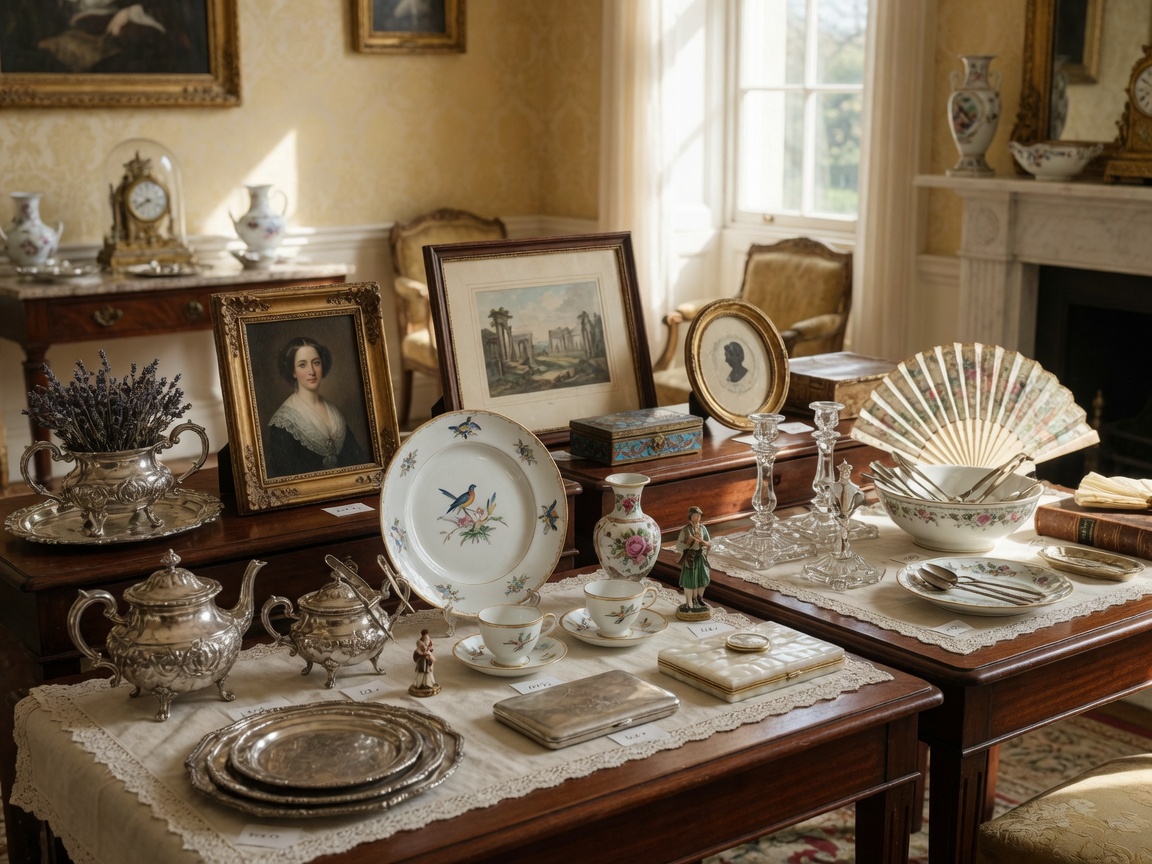
This is where a combined approach can be particularly effective. Rather than hiring separate firms for the real estate and the personal property, an auctioneer who is also a licensed real estate agent can coordinate both under one plan. This saves time, reduces costs, and ensures the marketing and sale of the entire estate is handled consistently.
As a licensed auctioneer with CAI, AARE, and AMM designations, I handle real estate, personal property, vehicles, collections, and business liquidations. This means executors and families work with one point of contact instead of managing multiple vendors during an already difficult time.
Steps for Executors: What to Do First
If you've been named executor of an estate with real estate in Northeast Ohio, here's a practical starting point:
1. Secure the property. Change the locks, ensure insurance is in place, and address any immediate maintenance issues (leaks, HVAC, winterization) to prevent damage.
2. Gather the documents. Locate the will, deed, mortgage statements, tax records, insurance policies, and any recent appraisals. These will be needed for probate and for the sale.
3. Consult an attorney. An estate attorney can guide you through the probate process, advise on court requirements, and ensure you're meeting your obligations as executor under Ohio Revised Code Section 2113.02.
4. Get a property assessment. Contact a real estate professional who has experience with estate properties and the local luxury market. A proper assessment helps you understand the property's condition, market value, and the best path forward.
5. Develop a timeline. Work with your attorney, agent, and any other advisors to establish a realistic timeline for the sale. Factor in probate requirements, property preparation, marketing, and closing.
6. Decide on the sale method. Whether traditional listing or auction, choose the approach that aligns with the estate's timeline, the property's characteristics, and the needs of the beneficiaries.
Selling an Estate in Westlake and Greater NE Ohio
Westlake, Rocky River, Bay Village, Avon, Avon Lake, North Olmsted, Olmsted Falls, Fairview Park, Lakewood, Strongsville, Brunswick, and Medina all have active real estate markets, but the approach to selling an estate property varies by community, price point, and property type.
In Westlake, for example, a well-maintained estate on a large lot in the Cliffwood or Nottingham neighborhoods may attract a different buyer profile than a waterfront property on Lake Road in Avon Lake. Understanding those differences is part of developing the right strategy.
The market data supports this. According to Movoto's market data, Westlake's median home price sits around $445,000 for the general market, but $1M+ properties in the area operate in a distinct segment with different buyer behavior and pricing dynamics. Estate properties in these higher price ranges benefit from targeted marketing that reaches qualified buyers specifically interested in luxury homes or unique properties.
One practical consideration many executors overlook is timing. The Northeast Ohio real estate market follows seasonal patterns, with spring and summer typically seeing the strongest activity for luxury properties. If the estate timeline allows flexibility, launching the sale during the active season can lead to better results. However, if the estate requires a faster resolution, auction provides a compressed timeline that works year-round.
The key is understanding your options before committing to a path. Whether you're managing an estate in Strongsville, Medina, or anywhere in the greater NE Ohio area, the process starts with a conversation about the property, the timeline, and what the estate needs.
If you're an executor or family member facing the sale of an estate property in Northeast Ohio, the process doesn't have to feel overwhelming. With the right team and a clear plan, you can honor your loved one's legacy while achieving a fair result for the estate.
Visit our FAQ page for answers to common questions about the selling process, or reach out directly to discuss your situation.
Frequently Asked Questions
How long does probate take in Ohio before I can sell the property?
In Ohio, the probate process typically takes three to six months for straightforward estates, though it can take longer for complex situations. The executor must receive court authority before selling real estate, so the first step is filing the will and petition with the probate court. An attorney can help you understand the specific timeline for your situation based on the county and estate complexity.
Can I sell the real estate and personal property together at auction?
Yes. A licensed auctioneer who also holds a real estate license can coordinate the sale of both the property and the personal assets under one plan. This approach is often more efficient than hiring separate firms, and it allows the marketing, timeline, and sale to be managed together. This is one of the services I provide as a Realtor and auctioneer.
Do I need to make repairs before selling an estate property?
Not necessarily. The decision depends on the property's condition, the market, and your timeline. Some estate properties benefit from minor updates or cleaning before listing. Others sell well in their current condition, especially at auction where buyers expect to evaluate the property as-is. A professional assessment early in the process helps you make that call with confidence.
What if there are multiple heirs who disagree on the sale?
Disagreements among heirs are common in estate situations. An experienced attorney can help mediate and ensure the process follows Ohio law. In some cases, auction provides a transparent, market-driven outcome that all parties can accept because the price is determined by competitive bidding rather than one person's opinion of value. Clear communication and professional guidance go a long way toward resolving disputes.
What is an estate executor's responsibility when selling real estate?
The executor has a fiduciary duty to act in the best interests of the estate and its beneficiaries. This includes securing the property, maintaining insurance, getting a fair market valuation, following court requirements, and executing the sale in accordance with the will and Ohio law. Working with qualified professionals, including an attorney and a licensed real estate agent, helps the executor meet these obligations.
If you're an executor or family member facing the sale of an estate property in Westlake, Rocky River, Bay Village, or anywhere in Northeast Ohio, I can help you develop a clear plan from start to finish.
Contact John FroelichBest wishes,
John C. Froelich, CAI, AARE, AMM