

Buying a home at auction in Ohio is a different experience from a traditional real estate purchase. The process is faster, the rules are different, and the buyer takes on more responsibility upfront. But for buyers who do their homework, auctions can offer access to properties that never hit the open market, competitive pricing, and a defined timeline that removes much of the uncertainty from the buying process.
Whether you are looking at a $1M+ luxury estate in Westlake or a commercial property in Avon, the same basic principles apply. This guide covers what you need to know before you raise your paddle at an Ohio real estate auction.
How Real Estate Auctions Work in Ohio
Ohio real estate auctions follow a straightforward structure. The seller hires an auctioneer who markets the property, attracts qualified buyers, and conducts the auction on a set date. Buyers bid against each other in real time, and the highest bidder wins, subject to the seller's reserve price if one is set.
Unlike a traditional listing where the seller can negotiate with one buyer at a time, an auction creates a competitive environment where multiple qualified buyers bid openly. This transparency is one of the main reasons sellers choose auction, and it is one of the main reasons buyers appreciate the clarity of the process. As I tell every client: auctions work because they let the market decide the price. For a closer look at how auction compares to traditional listing, see our comparison of auction vs. traditional listing in Ohio.
Step 1: Research and Identify Auction Properties
The first step is finding properties that match your criteria. Auction properties are listed through auction companies, online auction platforms, and real estate agents who offer auction services. In Ohio, real estate auctions are advertised through multiple channels including local newspapers, online listing services, and direct marketing to qualified buyer databases.
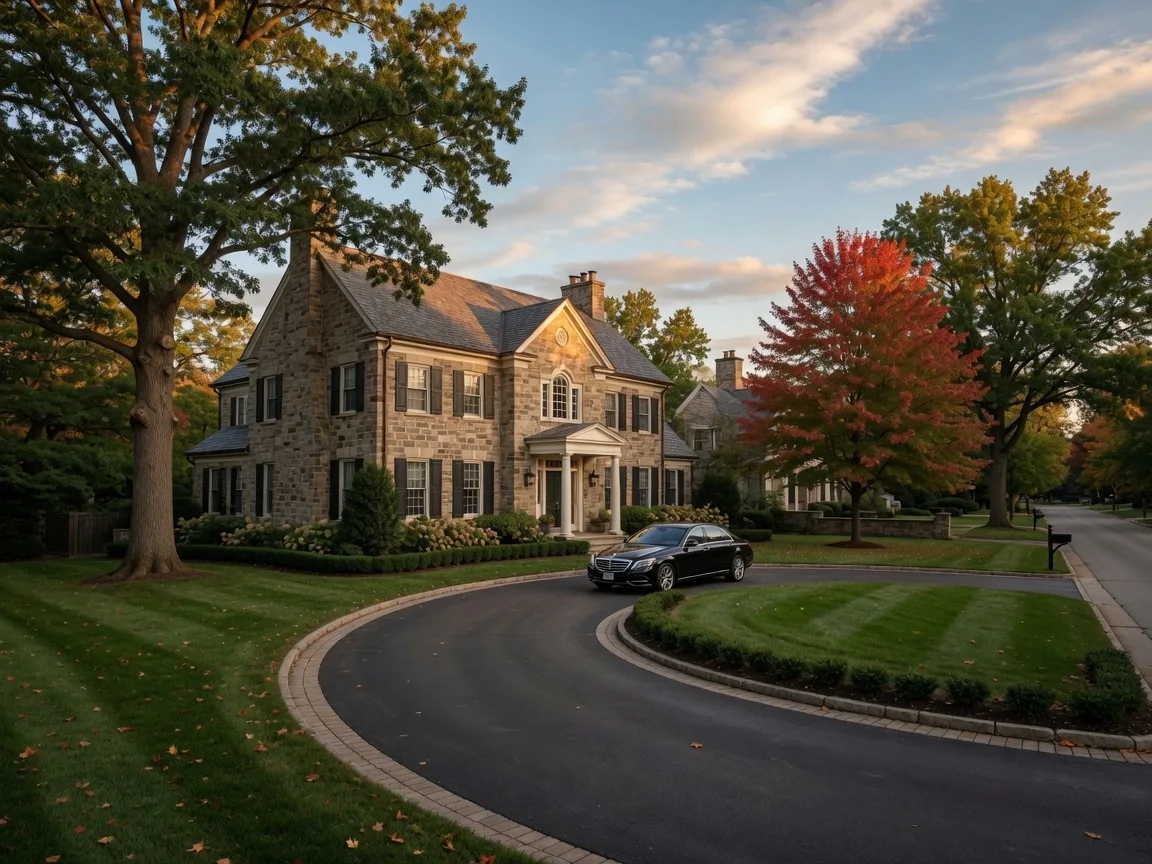
Properties sold at auction in Northeast Ohio range widely. You might find a luxury home in the Enclave at Casa Lago neighborhood of Westlake, a lakefront property in Bay Village, a commercial building in Avon, or an estate property in Strongsville. The key is knowing which auctions match your budget, your timeline, and your property goals. For a sense of what luxury properties sell for at auction, see our guide to pricing a $1M+ home in Northeast Ohio.
Most auction companies provide detailed property information packages, including inspection reports, title commitments, and auction terms. Reviewing these materials before you register is essential.
Step 2: Due Diligence Before the Auction
Due diligence is the most important step for any auction buyer. In a traditional real estate transaction, you have an inspection contingency and a financing contingency that let you back out if issues arise. At auction, most sales are as-is, and your deposit is typically non-refundable if you do not close. That makes pre-auction due diligence essential.
Here is what to review before auction day:
- • Property inspection. Most auction properties are available for inspection before the auction. Schedule a walkthrough or hire a professional home inspector to evaluate the condition. Pay attention to the roof, HVAC systems, foundation, plumbing, and electrical.
- • Title report. Review the title commitment to confirm there are no liens, easements, or encumbrances that could affect ownership. The auction company typically provides a title report in the property information package.
- • Auction terms and conditions. Read the entire contract before the auction. Understand the deposit amount, closing timeline, buyer's premium (if any), and any special conditions that apply to the property.
- • Comparable sales. Research recent sales of similar properties in the same area to understand what the property is worth. This helps you set your maximum bid before auction day and avoid getting caught up in the excitement of competitive bidding.
For a deeper look at how to evaluate high-value properties, see our guide on preparing a high-value home for sale. The same condition factors that matter to sellers matter to buyers too.
Step 3: Financing and Pre-Approval
Financing works differently at auction. While cash buyers have the simplest path, financed buyers can also participate as long as they have financing arranged before auction day. Most auction terms require the winning bidder to close within 30 to 45 days, which means you need a lender who can move quickly.
Here is what to prepare:
- • Cash buyers. You will need proof of funds, typically a bank statement showing sufficient liquid assets to cover the purchase price plus closing costs. Most auctions require this documentation before you can register.
- • Financed buyers. You need a pre-approval letter from a lender who understands auction timelines. Conventional loans can work, but the lender must be able to underwrite and close within 30 to 45 days. Some lenders specialize in auction financing and can move faster than traditional mortgage lenders.
- • Deposit funds. Winning bidders typically pay a deposit of 5% to 10% of the purchase price on auction day, usually by certified check or wire transfer. Have your deposit funds ready before the auction starts.
If you are considering a luxury property in the $1M+ range, having your financing lined up ahead of time is especially important. The buyer pool at this level is competitive, and sellers expect serious, qualified buyers. For more on how the auction process compares to traditional financing, see our article on how much it costs to auction a house in Ohio. And when you are ready to compare loan options, the mortgage APR calculator shows how lender fees and closing costs affect the true annual cost of your loan before you bid. Property taxes are another line in your total cost and the bill varies by county, so check how property taxes will affect your total cost when you compare properties.
Step 4: Registration and Deposit
Once you have identified a property, completed your due diligence, and arranged your financing, the next step is registering as a bidder. Registration typically requires:
- • A completed registration form with your contact information and legal name.
- • Proof of funds or a pre-approval letter.
- • A valid government-issued photo ID.
- • Your bidder deposit, which is separate from the winning deposit. This deposit shows you are a serious buyer and is typically refundable if you do not win.
Registration can be done in advance or on auction day, depending on the auction format. Online auctions have their own registration process that may include identity verification and digital deposit processing.
Step 5: Auction Day
On auction day, registered bidders gather at the auction venue or log into the online platform. The auctioneer opens the bidding at a starting price and takes bids from participants. The process moves quickly. Bids come in increments set by the auctioneer, and the auction continues until no higher bids are offered.
Here is what happens on auction day:
- • Opening bid. The auctioneer announces the opening price. This may be below the seller's reserve to encourage participation.
- • Bidding. Bidders raise their paddles or signal their bids. The auctioneer acknowledges each bid and calls for the next increment.
- • Reserve price. If the auction has a reserve price and bidding does not reach it, the property may be passed (not sold) or the seller may choose to negotiate with the highest bidder after the auction.
- • The gavel drops. When no higher bid is offered, the auctioneer announces the winning bidder. The property is sold, and the winning bidder signs the purchase agreement and pays the deposit immediately.
The entire auction process for a single property typically takes 5 to 15 minutes from opening bid to gavel drop. But the preparation leading up to those minutes is what separates informed buyers from those who overpay or miss key details. To understand what happens at a real estate auction from the auctioneer's perspective, see our article on what a real estate auctioneer actually does.
Step 6: Closing the Deal
After you win the bid, the closing process begins. The timeline is set in the auction terms, typically 30 to 45 days. During this period, you finalize your financing (if applicable), complete any remaining due diligence, and work with the closing agent to transfer ownership.
The closing process at auction is similar to a traditional real estate closing in most respects. The title company or closing attorney handles the paperwork, and both buyer and seller sign the final documents. The key difference is the timeline: auction closings move faster because the sale date, price, and terms are already set. There is no back-and-forth negotiation, no inspection contingency to resolve, and no financing contingency to navigate (assuming you have already secured your financing).
Tips for Buyers at Ohio Real Estate Auctions
Having walked hundreds of buyers and sellers through the auction process, here are the most important lessons I share with anyone considering buying a home at auction in Ohio:
- • Set your maximum bid before the auction starts. Competitive energy can push prices higher than intended. Know your number and stick to it.
- • Attend a few auctions as an observer first. If you have never been to a real estate auction, watching one before you participate helps you understand the pace, the bidding increments, and the auctioneer's cadence.
- • Read every word of the auction terms. The buyer's premium, closing timeline, deposit requirements, and any special conditions are all spelled out in the terms. Do not assume anything.
- • Build your team early. Have a real estate attorney, a lender, and a home inspector lined up before you register. Auction timelines do not allow for scrambling after the gavel drops.
- • Understand the difference between absolute and reserve auctions. An absolute auction sells to the highest bidder regardless of price. A reserve auction allows the seller to reject bids below a set minimum. Both have advantages depending on the property and market conditions.
Auction Opportunities in Westlake and Northeast Ohio
Westlake, Rocky River, Bay Village, Avon, Avon Lake, North Olmsted, Olmsted Falls, Fairview Park, Lakewood, Strongsville, Brunswick, and Medina all see auction activity on a regular basis. Properties range from luxury estates and lakefront homes to commercial buildings, vacant land, and foreclosure properties.
For buyers looking at $1M+ properties, auctions offer a level of transparency that traditional negotiations sometimes lack. Every bid is visible, every participant is qualified, and the outcome is determined by the market rather than by one-on-one negotiation. If you are interested in exploring auction properties in these communities, I would welcome the chance to discuss current and upcoming opportunities.
Frequently Asked Questions
Can you buy a house at auction in Ohio?
Yes. Ohio real estate auctions are open to qualified buyers who register, provide proof of funds or a pre-approval letter, and pay a bidder deposit. Residential homes, commercial properties, land, and luxury estates are all sold at auction in Ohio regularly. The process is governed by Ohio auction law and the specific terms set by the seller and auctioneer.
How much deposit do I need to bid at a real estate auction in Ohio?
Deposit requirements vary by auction, but most Ohio real estate auctions require a bidder deposit of 5% to 10% of the anticipated purchase price. Winning bidders typically pay the full deposit on auction day by certified check or wire transfer. The deposit is applied to the purchase price at closing. If you do not win, your deposit is refunded.
Can I get a mortgage to buy a house at auction in Ohio?
Yes, but you need financing arranged before auction day. Most auction terms require closing within 30 to 45 days, which is faster than a conventional mortgage timeline. Buyers using financing should have a pre-approval letter from a lender who can close on an accelerated timeline. Some lenders specialize in auction financing. Cash buyers move through the process the fastest, but financed buyers participate regularly.
What happens if the highest bid does not meet the seller's reserve price?
If bidding does not reach the seller's reserve price at a reserve auction, the property may be passed, meaning it does not sell. In some cases, the seller may choose to negotiate with the highest bidder after the auction. In an absolute auction, there is no reserve and the property sells to the highest bidder regardless of price. The auction terms will specify whether the sale is absolute or with reserve.
What kind of properties are sold at auction in Westlake and Northeast Ohio?
Properties sold at auction in the region include luxury homes in Westlake's Enclave at Casa Lago and St Ives neighborhoods, lakefront properties in Bay Village and Rocky River, commercial buildings in Avon and Strongsville, estate properties across all 12 service communities, and sometimes vehicles, collections, and business assets combined with real estate sales. The range is broad, and new auction listings come to market regularly.
If you are considering buying a property at auction in Ohio, I would welcome the chance to walk you through the process, discuss current listings, and help you prepare to bid with confidence.
Contact John FroelichBest wishes,
John C. Froelich, CAI, AARE, AMM