
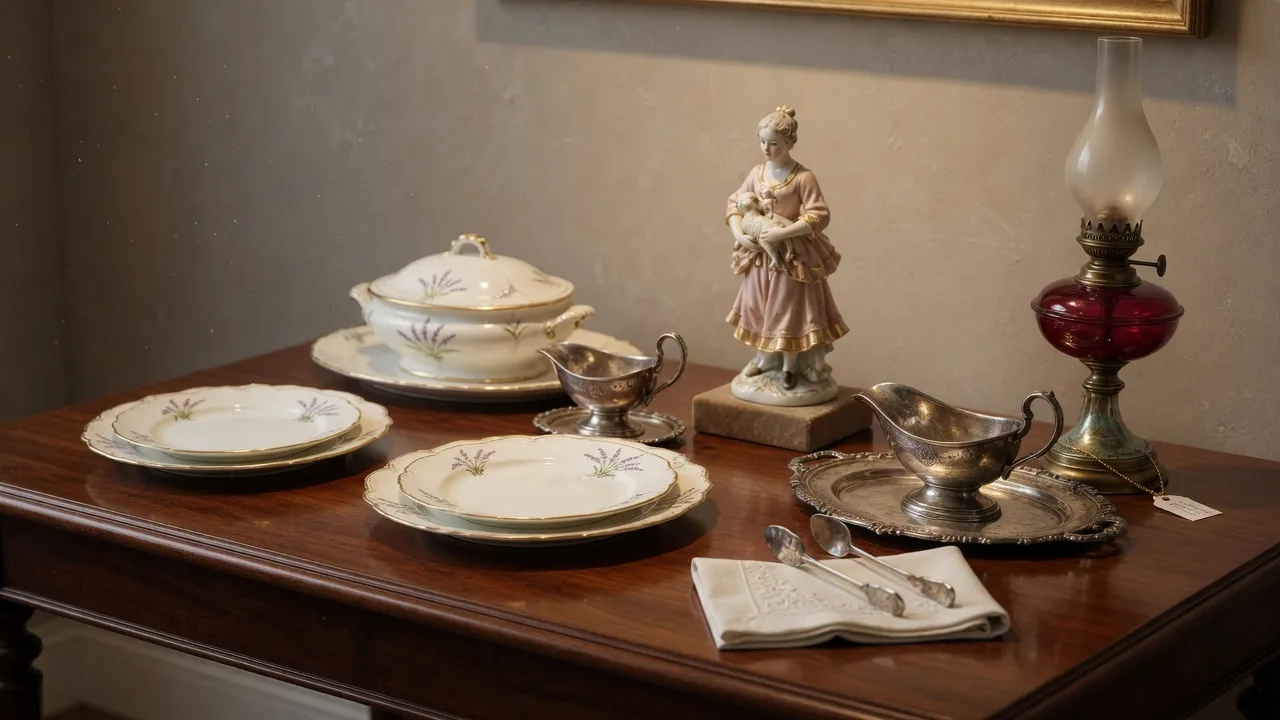
If you own antiques, collectibles, or high-value personal property in Westlake, Rocky River, Bay Village, or anywhere in Northeast Ohio, you may be sitting on assets worth far more than you realize. The question is how to convert those items into cash without leaving value on the table or getting lost in a slow, fragmented sales process. Selling antiques and collectibles at auction in Ohio is often the most efficient and profitable path, but only when the appraisal and marketing are done right.
I have helped families across Westlake, Avon, Avon Lake, North Olmsted, Olmsted Falls, Fairview Park, Lakewood, Strongsville, Brunswick, and Medina sell everything from fine china and vintage furniture to coin collections, artwork, and rare books. The process is straightforward when you work with someone who understands both the value of the items and the mechanics of the auction market. Here is how it works.
Why Auction Is the Right Path for Collectibles and Personal Property
Selling collectibles and personal property is fundamentally different from selling a house. A home can be listed on the MLS and syndicated across multiple real estate platforms. Personal property requires a different type of marketing. The buyers are specialized. The pricing is nuanced. And the sales channels are fragmented between estate sales, consignment shops, online marketplaces, and auctions.
Auction solves several problems at once. It sets a defined timeline, creates competition among buyers, and produces a transparent record of the final sale price. For estate executors in Ohio, that transparent record is especially valuable. Ohio probate law requires executors to obtain fair market value for estate assets. An auction provides a documented, market-driven sales result that satisfies that requirement.
According to the National Auctioneers Association, auction is one of the oldest and most transparent methods of price discovery. Competitive bidding lets the market decide what an item is worth, rather than relying on a single buyer's offer or a static price tag. For collectibles and personal property, where comparable sales can be hard to find, that competitive tension often produces results above pre-sale estimates.
Step 1: Professional Appraisal
The first step in selling collectibles at auction is understanding what you have. A professional appraisal identifies the items, assesses their condition, and estimates their fair market value based on recent comparable sales. This is critical for several reasons.
First, an honest appraisal prevents disappointment. Many families believe that grandma's china set or grandpa's vintage tools are worth thousands of dollars. Sometimes they are. Often the value is more modest. Knowing the real range before you invest time and energy into marketing prevents frustration and helps set realistic expectations.
Second, a professional appraisal helps the auctioneer decide which items are worth selling individually, which should be grouped into lots, and which have limited sale value. High-value items like fine art, rare coins, and jewelry are often sold individually because they attract specific buyers willing to pay a premium. Lower-value items are grouped into curated lots that appeal to collectors and dealers.
Third, the appraisal creates a baseline for marketing. When I work with families in Westlake and surrounding communities, I use the appraisal to build a marketing plan that targets the right buyers for each item. A vintage Rolex watch and a collection of Steuben glass require completely different marketing approaches, even if they come from the same estate.
For homeowners downsizing from a large property, a combined appraisal is especially useful. Our guide on what luxury sellers should know before downsizing in Westlake covers how personal property appraisals fit into the larger transition plan.
Step 2: Cataloging and Photography
Once the appraisal is complete, every item or lot is cataloged with a detailed description, condition report, and professional photographs. In today's online auction market, the quality of the listing is everything. Buyers cannot inspect items in person before the auction, so they rely on the catalog to make their bidding decisions.
A well-prepared catalog includes:
- • High-resolution photography. Multiple angles, close-ups of hallmarks and signatures, and shots that show condition issues honestly.
- • Detailed descriptions. Maker, age, materials, dimensions, provenance, and known repair history.
- • Condition grading. Honest assessment of wear, damage, or restoration work. Trustworthy condition reports reduce disputes after the sale and build bidder confidence.
- • Estimated value range. Based on the appraisal, each lot gets an estimated hammer price range that guides bidders.
In Westlake and Northeast Ohio, the types of personal property that frequently appear at auction include fine china, crystal, and silver; vintage and antique furniture; artwork and prints; coin and stamp collections; vintage jewelry and watches; rare books and manuscripts; sports memorabilia; vintage toys and dolls; and firearms and militaria. Each category requires specific expertise to catalog and market effectively.
Step 3: Marketing to the Right Buyers
Selling collectibles at auction in Ohio works best when the marketing reaches the right audience. Collectors are passionate and knowledgeable. They search specific platforms, follow specialized auction houses, and are willing to travel or bid online for items they want. The marketing strategy must put your items in front of those buyers.
Modern auction marketing combines:
- • Online auction platforms. Platforms like Proxibid, LiveAuctioneers, and HiBid attract millions of registered bidders worldwide, giving your items exposure far beyond Northeast Ohio.
- • Social media targeting. Facebook and Instagram ads can target collectors by interest area, reaching people who follow specific collectible categories.
- • Email notifications. Subscriber lists of past bidders who have shown interest in similar categories are notified when new inventory becomes available.
- • Local preview events. In-person preview days let local bidders inspect items before the auction, which increases confidence and bids.
For families selling personal property as part of an estate, combining the real estate auction with the personal property auction can be especially effective. Our guide on what happens when you sell real estate and personal assets at auction explains how this coordinated approach works and why it often produces better results.
Step 4: Auction Day and Settlement
On auction day, items are sold to the highest bidder. In a live auction with online bidding, the room and online bidders compete in real time. Online absentee bids and phone bids are also accepted. The auctioneer manages the pace, opens each lot at a starting bid, and drives the price upward through the competitive process.
For sellers in Westlake and Northeast Ohio, the results can be surprising. Items that sat in an attic for decades can generate spirited bidding wars between collectors who recognize their value. I have seen a modest-looking collection of vintage fishing lures bring several thousand dollars, while a set of fine china that the family assumed was the star of the estate sold below expectations.
After the auction, settlement typically occurs within 30 days. The seller receives a detailed statement showing each lot sold, the hammer price, any buyer's premium, and the net proceeds distributed. For estate executors, this statement serves as the documented sales record for probate.
What Northeast Ohio Homeowners Should Know About Selling Collectibles
If you live in Westlake, Rocky River, Bay Village, Avon, Avon Lake, North Olmsted, Olmsted Falls, Fairview Park, Lakewood, Strongsville, Brunswick, or Medina, and you have antiques, collectibles, or personal property you are ready to sell, here are a few things to keep in mind.
Timing Matters
Certain collectible categories have seasonal demand. Coins and precious metals often sell well year-round. Fine china and crystal may do better in the spring and fall when weddings and holiday entertaining drive interest. Firearms sell best when political or legislative conditions create urgency among buyers. A good auctioneer adjusts the timing to match the market.
Condition Is King
The single biggest factor in determining what a collectible sells for is its condition. An original painting with a repaired tear is worth a fraction of the same painting in pristine condition. A coin collection stored in flips and albums will outperform one dumped loose in a drawer. Professional conservation and careful handling before the auction can significantly increase final prices.
Combined Sales Maximize Results
If you are selling a home and its contents at the same time, a combined real estate and personal property auction is often the best approach. The real estate attracts property buyers, and the personal property attracts collectors and dealers. Together, they create a larger audience and a more efficient sale. For a deeper look at how this works in practice, read our story of a Westlake estate auction that sold a home and its contents in one day.
Trust the Market
The most common mistake I see is sellers setting a fixed price based on an emotional attachment to an item. A vase that sat on your grandmother's mantle for 50 years has sentimental value that no buyer will pay for. The auction market places a value based on what collectors are willing to pay, not what the seller remembers paying or hopes to receive. Trusting that process is the key to a successful sale.
According to Invaluable, one of the world's leading online auction marketplaces, items sold through competitive bidding at auction often achieve prices 20 to 30 percent higher than fixed-price listings, especially for collectibles with broad buyer appeal.
Getting Started with an Auction Appraisal in Westlake
If you have antiques, collectibles, or personal property in Westlake or anywhere in Northeast Ohio, the first step is a conversation. I can help you understand what your items might be worth, whether auction is the right path, and how to prepare them for sale. Some items will sell individually at premium prices. Others are best grouped into lots. Some may not have enough value to justify auction at all. An honest assessment upfront saves time and delivers better results.
Whether you are downsizing, settling an estate, or simply ready to turn inherited collections into cash, the process starts with a clear understanding of what you have and what it is worth. From there, the auction market does what it does best: sets a fair, transparent price through competitive bidding.
If you are ready to explore your options, let's talk about your collection and build a plan. Best wishes, John
Frequently Asked Questions
How do I get an appraisal for antiques and collectibles in Northeast Ohio?
Start with a consultation with a professional auctioneer who has experience with personal property. They will review your items, assess condition, research comparable sales, and provide an estimated value range. In Westlake and the surrounding communities, I offer free initial consultations to evaluate collections and recommend the best path to sale.
What types of personal property sell best at auction?
Fine art, jewelry, rare coins, vintage furniture, fine china and crystal, antique silver, rare books, sports memorabilia, vintage toys, and firearms consistently attract competitive bidding. Items with clear provenance, documented history, and good condition generate the highest prices. Common household items without special provenance are usually grouped into lots.
Can I sell personal property and real estate in the same auction?
Yes. Combined auctions are one of the specialized services I offer to families across Northeast Ohio. The real estate and personal property are marketed together but sold in separate phases on the same auction day. This coordinated approach attracts both property buyers and collectors, often producing better results than selling each category separately.
How are auction proceeds distributed for estate personal property?
After the auction, sellers receive a detailed settlement statement showing each item sold, the hammer price, any applicable fees, and the net proceeds. For estate executors in Ohio, this document serves as a transparent sales record that satisfies probate requirements. Settlement typically occurs within 30 days of the auction.
What if my collectibles do not sell at auction?
Experienced auctioneers set realistic reserve prices and estimate ranges based on market data, so most items sell in a well-run auction. Items that do not meet their reserve can be reoffered at a lower estimate, sold through private treaty, or grouped into lots for a future sale. An honest pre-sale assessment minimizes the chance of no-sale outcomes.
If you have antiques, collectibles, or personal property you are considering selling in Westlake, Rocky River, Bay Village, or anywhere in Northeast Ohio, let's talk about your collection and build a plan.
Contact John FroelichBest wishes,
John C. Froelich, CAI, AARE, AMM